
Do you need a dedicated black and white camera?
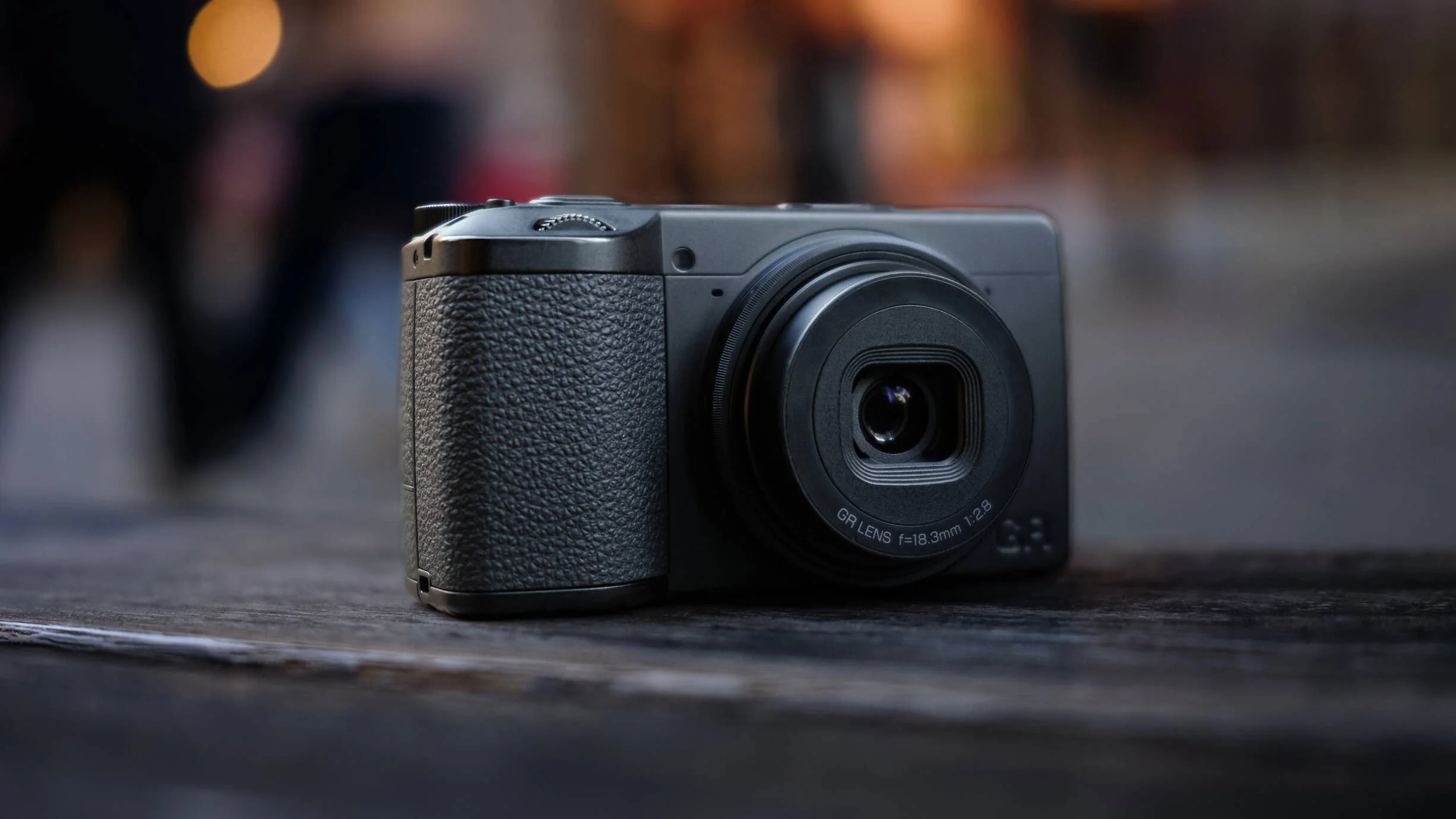
Ricoh has just launched the GR IV Monochrome, Leica makes Monochrome versions of its Q3 and M11 series cameras. Monochrome cameras capture images ONLY in black and white. They have no color capture capability at all. The payback, in theory, is superior detail rendering, less noise and, of course the purity of the experience. If your camera can only shoot in black and white, you have no distractions.
But while it’s true that a monochrome digital camera does provide an improvement in image quality, it’s a series of small improvements that you might not find significant. And while it will show you the world in black and white, which does help with visualising monochrome images, you can achieve the same thing on a regular camera by setting it to its black and white mode.
The key thing that you’re giving up with a monochrome camera is precise control over tonality when you’re editing your images. With a color image you can adjust the rendering of different colors in the scene to make blue skies darker, for example, or green foliage lighter. In traditional black and white photography, this was achieved with physical lens filters, but with a color image you can do this later in software, retrospectively, with a lot more control.
With monochrome cameras you don’t have this option. There is no color data to fall back on later if you want to change the way different colors are rendered as shades of gray. You have to take the old-school analog black and white approach and use physical filters on the lens. You may not mind the extra effort, but you should remember there’s no going back later.
Many photographers won’t mind this. There’s a strong argument for committing to a ‘look’ when you take a photograph instead of hedging your bets by shooting a color RAW file so that you can decide later. It means taking irreversible decisions when you shoot – it sounds pretty apocalyptic, but it’s simply what we did in the old days when we chose what film to load!
Personally, while I admire the purity of the monochrome approach, I think I will stick to shooting RAW files with regular color cameras so that I have a lot more tonal control later on. My images might not be quite as sharp at a pixel level as those from a dedicated monochrome camera, and digital noise might start to become visible at slightly lower ISO settings, but there have been countless times in the past where I’ve been glad of the color data in my files and the flexibility it gives me for adjusting the tones in my black and white images.
• If you want to know more about digital black and white photography, check out my ebook below.
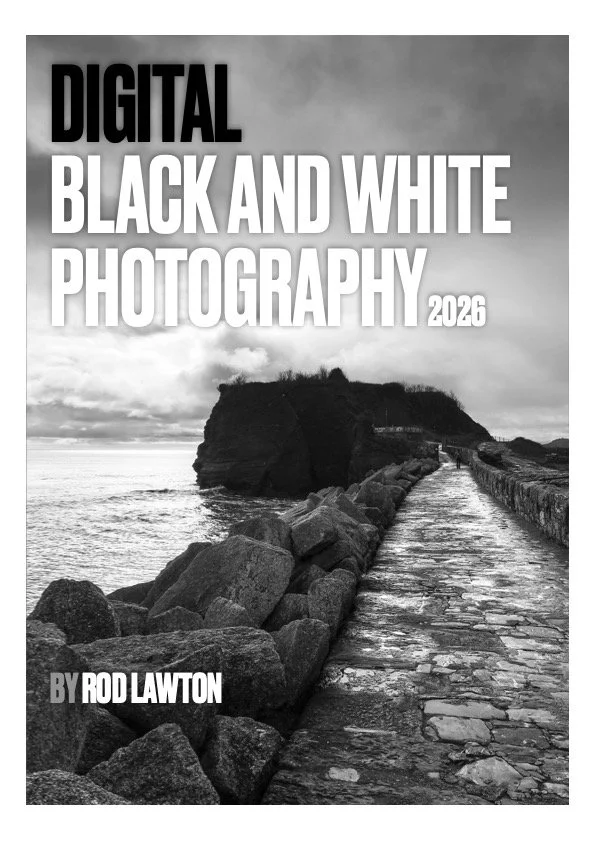
A 94-page ebook on digital black and white photography covering everything from camera choices to visualization and composition and effective black and white editing. Formatted for reading on desktop, tablet and mobile (OK, you might have to turn your phone sideways!)